
Introduction

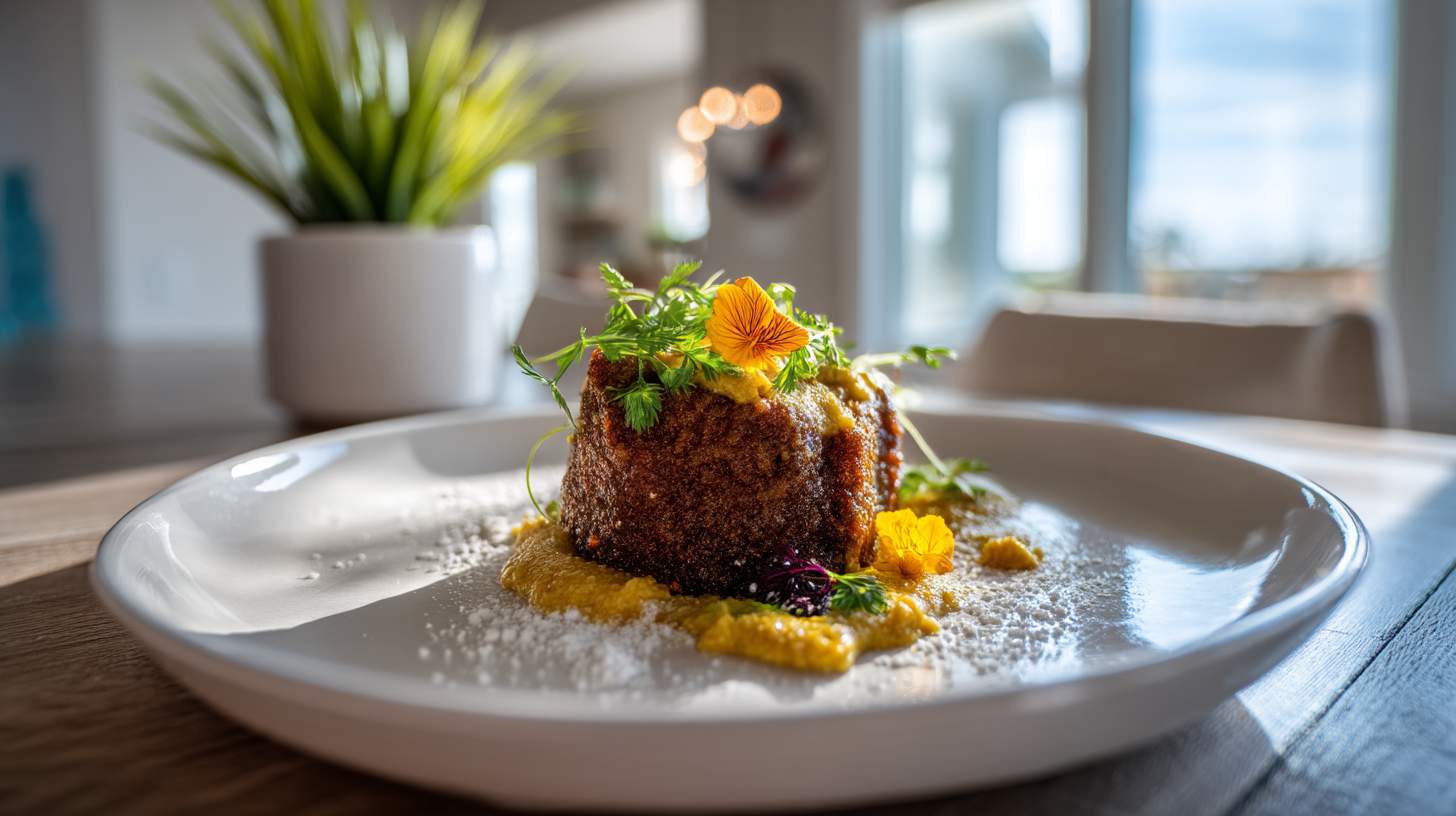
Welcome to Recipes in Style! I’m Sophie Grace, the culinary mind behind this blog. Today, we’re diving into a recipe that brings a touch of Eastern European flair to your kitchen: Russian Mustard. Known for its pungent and spicy kick, Russian mustard is a condiment that can elevate your dishes to new heights. Whether you’re a seasoned home chef or just starting your culinary journey, this recipe is designed to inspire and delight. It’s perfect for those who love bold flavors and want to explore a taste of Russian cuisine.
Russian mustard is more than just a condiment; it’s a statement. It’s a versatile addition to your culinary repertoire that can transform simple meals into gourmet experiences. As you delve into this recipe, you’ll discover the balance of heat and flavor that makes Russian mustard a staple in many households. So, grab your apron, and let’s create something extraordinary together!
What Makes This Recipe Special
Key Benefits
Russian mustard is not just about its fiery taste; it offers several benefits that make it a special addition to your pantry:
- Versatility: Use it as a spread, marinade, or even a salad dressing.
- Flavor Enhancement: Adds a complex, spicy kick to any dish.
- Health Benefits: Packed with antioxidants and anti-inflammatory properties.
Unique Features
What sets Russian mustard apart from its counterparts is its unique blend of ingredients and the balance of flavors:
- Bold Flavor: Combines the pungency of mustard seeds with the richness of vinegar and sweetness of sugar.
- Customizable Heat: Adjust the spiciness to your preference.
- Homemade Goodness: Free from preservatives and artificial flavors.
Ingredients for Russian Mustard
Main Ingredients
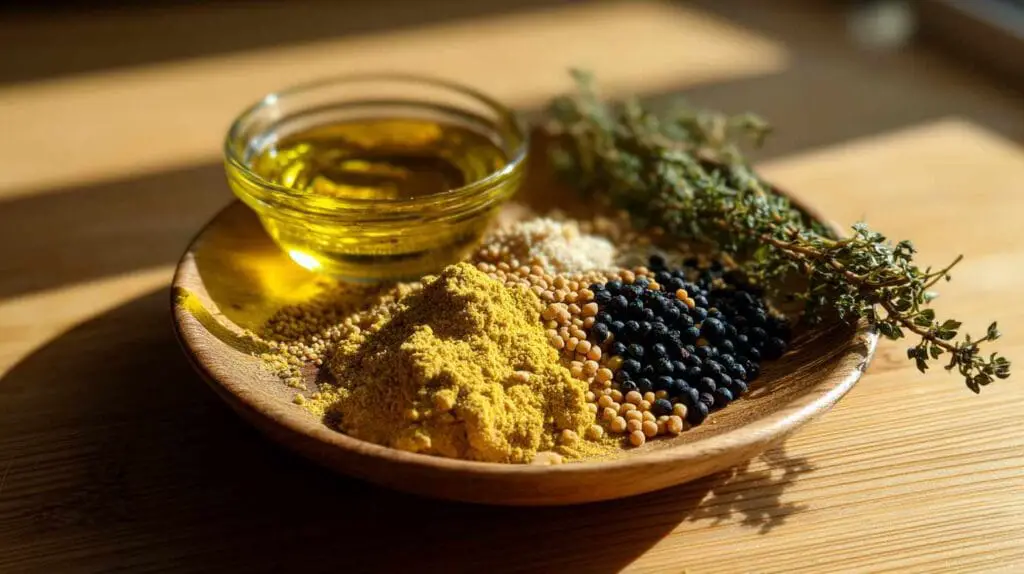
- 3 tablespoons yellow mustard seeds
- 1 tablespoon brown mustard seeds
- 1/2 cup white vinegar
- 1/4 cup water
- 2 tablespoons sugar
- 1 teaspoon salt
- 1/4 teaspoon turmeric
- 1/4 teaspoon garlic powder
Optional Add-ins
- 1/4 teaspoon cayenne pepper for extra heat
- 1 tablespoon honey for sweetness
- 1 tablespoon horseradish for additional depth
Step-by-Step Cooking Instructions
Preparation Steps
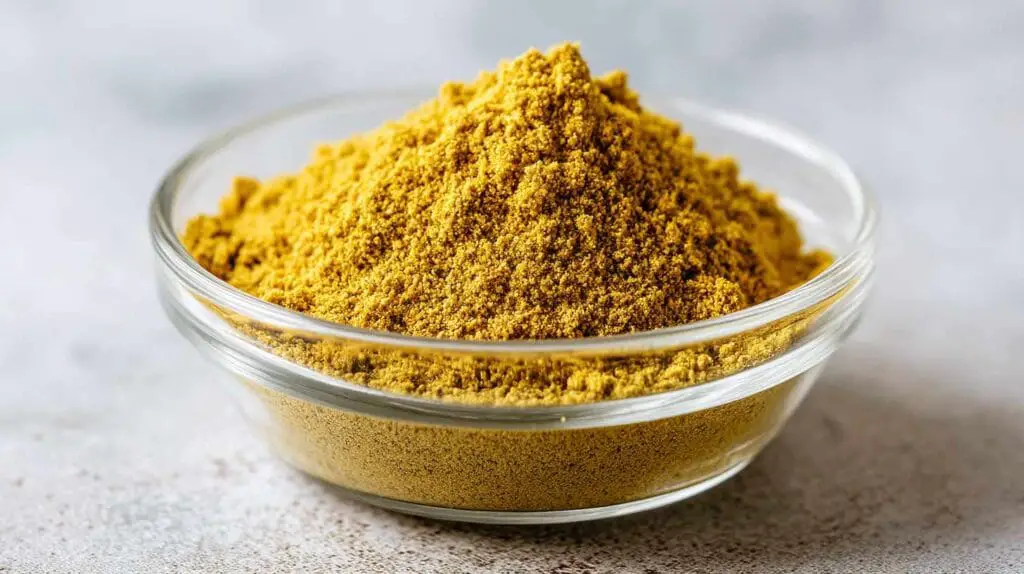
- Gather Ingredients: Assemble all your ingredients to ensure you have everything on hand before you start.
- Soak Mustard Seeds: In a small bowl, combine the mustard seeds with vinegar and water. Let them soak for at least 2 hours or overnight for best results.
Cooking Process
- Blend Ingredients: After soaking, transfer the mustard seeds along with the soaking liquid into a blender or food processor.
- Add Seasonings: Add sugar, salt, turmeric, and garlic powder to the blender. If you’re using any optional add-ins, include them now.
- Blend Until Smooth: Process the mixture until smooth and creamy. You may need to scrape down the sides of the blender a few times to ensure an even texture.
- Adjust Consistency: If the mustard is too thick, add a little more water or vinegar to reach your desired consistency.
- Taste and Adjust: Taste the mustard and adjust the seasonings as needed. Add more sugar for sweetness or more cayenne for heat.
- Store: Transfer the mustard to a sterilized jar and seal tightly. Let it sit in the refrigerator for at least 24 hours to allow the flavors to meld.
Tips and Tricks for Perfect Results
Pro Chef Tips
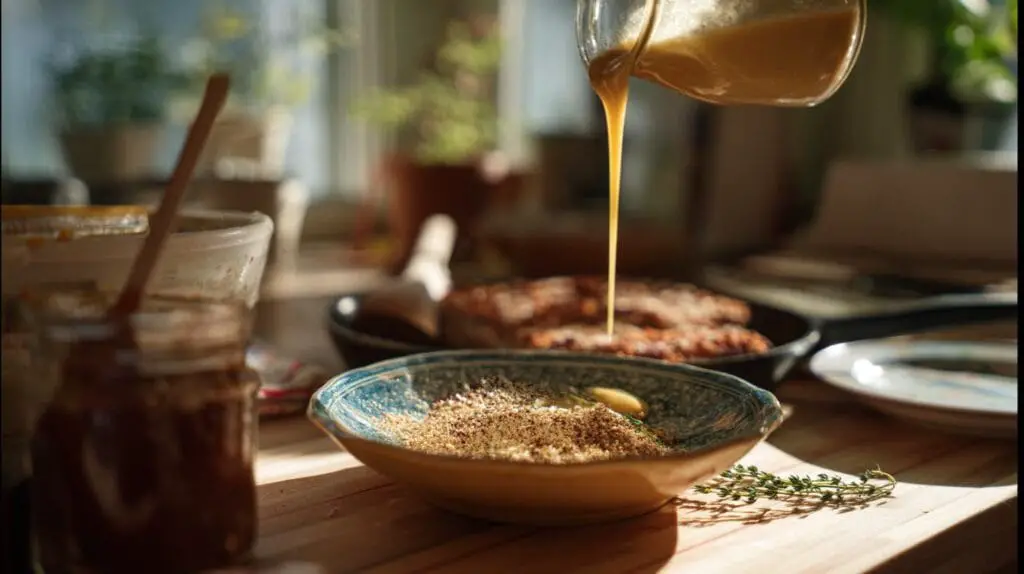
- Use Fresh Mustard Seeds: Fresh seeds ensure maximum flavor and potency.
- Let It Rest: Allowing the mustard to rest in the refrigerator enhances its flavor.
- Experiment Freely: Feel free to adjust seasoning according to your taste preference.
Common Mistakes to Avoid
- Skipping Soaking Time: Soaking is crucial for softening the seeds and developing flavor.
- Overblending: Overprocessing can lead to a bitter taste, so blend just until smooth.
- Not Tasting as You Go: Always taste and adjust, as mustard can be quite strong.
Nutritional Information and Health Benefits
Calories and Macros
A tablespoon of homemade Russian mustard contains approximately:
- Calories: 15
- Carbohydrates: 2g
- Protein: 0.5g
- Fat: 0.5g
Health Benefits
- Rich in Antioxidants: Mustard seeds contain antioxidants that help fight free radicals.
- Anti-inflammatory Properties: Turmeric and mustard seeds are known for their anti-inflammatory effects.
- Digestive Aid: The pungency of mustard can stimulate digestive enzymes.
Recipe Variations and Substitutions
Dietary Modifications
- Sugar-Free: Use a sugar substitute like stevia or erythritol.
- Low-Sodium: Reduce the salt content or use a salt substitute.
Flavor Variations
- Sweeter Mustard: Increase the sugar or honey for a sweeter version.
- Spicier Kick: Add more cayenne pepper or include chili flakes for extra heat.
- Herb-Infused: Add fresh herbs like dill or thyme for a unique twist.
Storage and Serving Suggestions
How to Store
- Refrigeration: Store in an airtight jar in the refrigerator for up to a month.
- Freezing: Not recommended as freezing can alter the texture.
Serving Ideas
- As a Condiment: Perfect for sandwiches, hot dogs, and burgers.
- In Salad Dressings: Mix with olive oil and vinegar for a zesty salad dressing.
- Marinades: Use as a base for marinades to tenderize and flavor meats.
Frequently Asked Questions
Can I use black mustard seeds instead of yellow?
Yes, but note that black mustard seeds will result in a stronger, more pungent flavor.
How can I make my mustard milder?
To reduce the heat, increase the soaking time or add more sugar and vinegar.
Is Russian mustard gluten-free?
Yes, this homemade version is naturally gluten-free.
What’s the difference between Russian mustard and Dijon?
Russian mustard is spicier and more intense, while Dijon is smoother and less pungent.
Conclusion
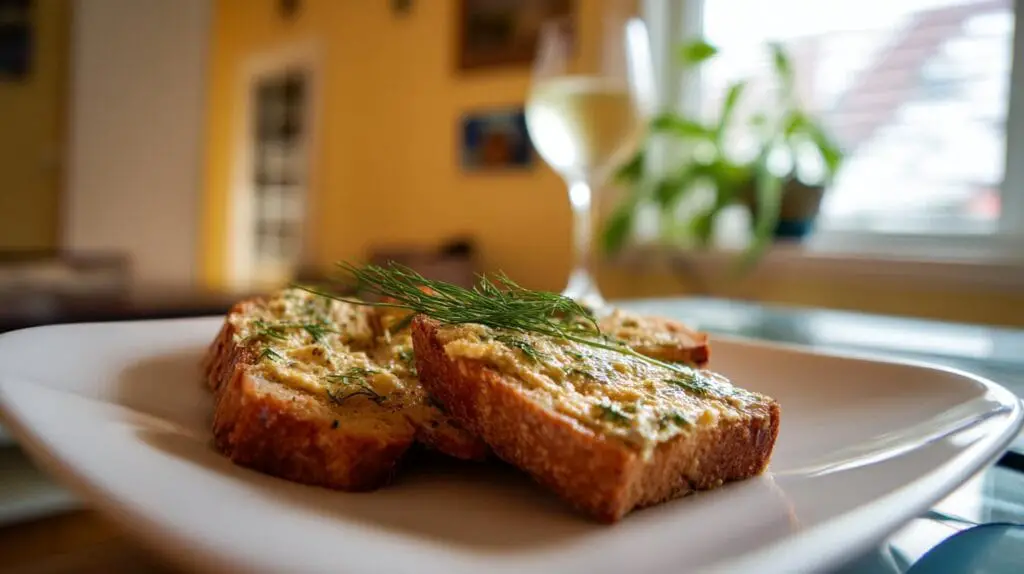
Thank you for joining me on this culinary adventure into the world of Russian mustard. This recipe not only introduces you to a bold and flavorful condiment but also encourages you to experiment and make it your own. Whether you’re adding it to sandwiches, using it in dressings, or exploring new culinary creations, Russian mustard is sure to become a staple in your kitchen.
Remember, cooking is an art that celebrates creativity and personal expression. At Recipes in Style, I’m here to inspire you with simple, elegant, and delicious recipes that you can enjoy with ease. Let’s stay connected and continue to turn ordinary meals into extraordinary experiences. Bon Appétit!
Print
Discover the Bold Flavors of Russian Mustard: A Culinary Adventure
- Total Time: 10 minutes + soaking
- Yield: 1 small jar 1x
Description
A bold, spicy, and flavorful homemade Russian mustard that adds an Eastern European flair to any dish.
Ingredients
- 3 tablespoons yellow mustard seeds
- 1 tablespoon brown mustard seeds
- 1/2 cup white vinegar
- 1/4 cup water
- 2 tablespoons sugar
- 1 teaspoon salt
- 1/4 teaspoon turmeric
- 1/4 teaspoon garlic powder
- Optional: 1/4 teaspoon cayenne pepper
- Optional: 1 tablespoon honey
- Optional: 1 tablespoon horseradish
Instructions
- Gather all your ingredients before starting.
- In a small bowl, combine the mustard seeds with vinegar and water. Let soak for at least 2 hours or overnight.
- Transfer soaked seeds and liquid to a blender or food processor.
- Add sugar, salt, turmeric, garlic powder, and any optional add-ins.
- Blend until smooth and creamy, scraping down sides as needed.
- If mixture is too thick, add water or vinegar to adjust consistency.
- Taste and adjust sweetness or spiciness as desired.
- Transfer to a sterilized jar and refrigerate for 24 hours before use.
Notes
Letting the mustard rest enhances the flavor. Taste as you go to adjust spice and sweetness to your preference.
- Prep Time: 10 minutes
- Cook Time: 0 minutes
- Category: Condiment
- Method: Blended
- Cuisine: Russian
Nutrition
- Serving Size: 1 tablespoon
- Calories: 15
- Sugar: 2g
- Sodium: 150mg
- Fat: 0.5g
- Saturated Fat: 0g
- Unsaturated Fat: 0.5g
- Trans Fat: 0g
- Carbohydrates: 2g
- Fiber: 0g
- Protein: 0.5g
- Cholesterol: 0mg
Keywords: russian mustard, homemade mustard, spicy mustard, condiment, eastern european mustard