
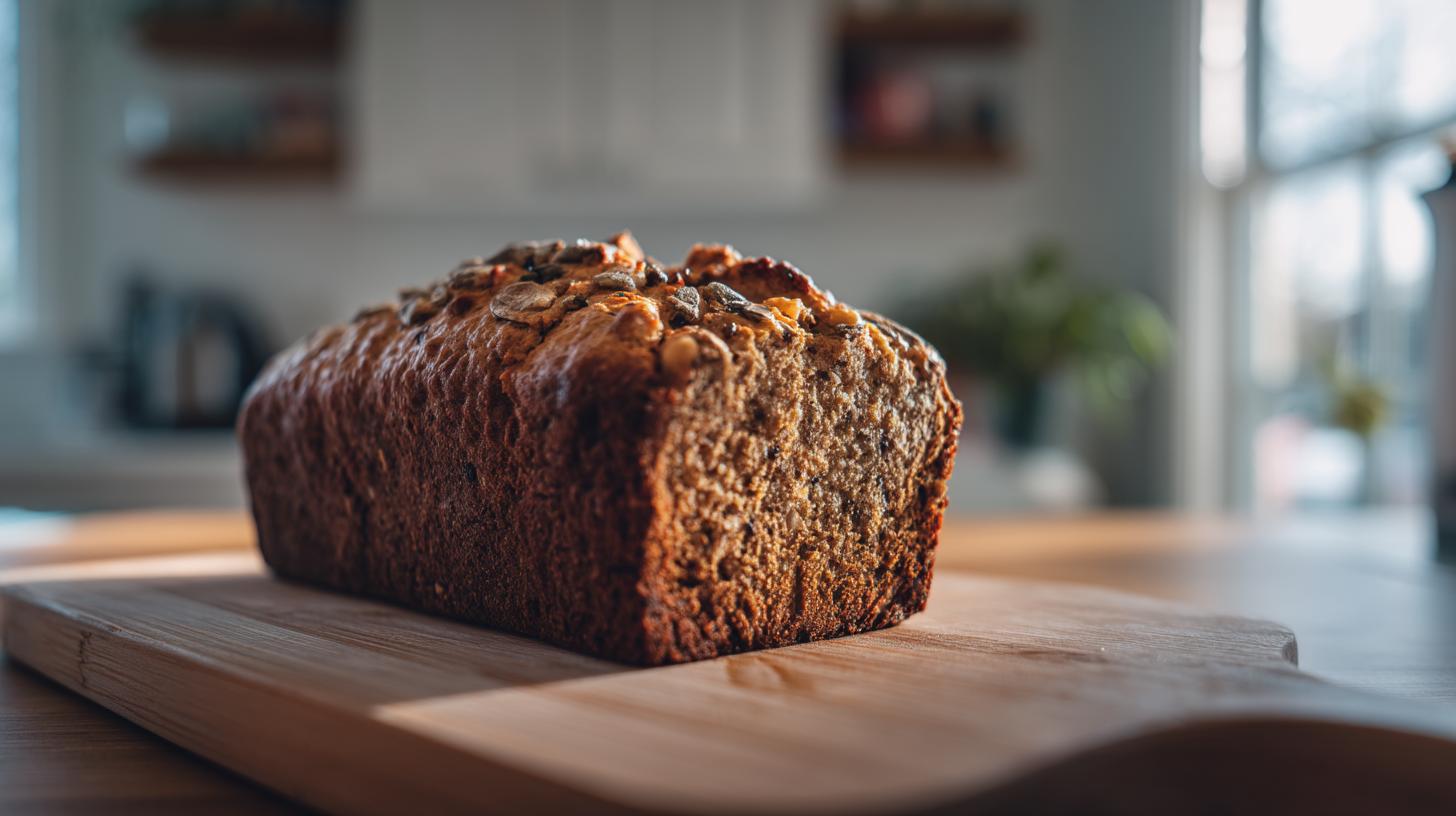
Introduction
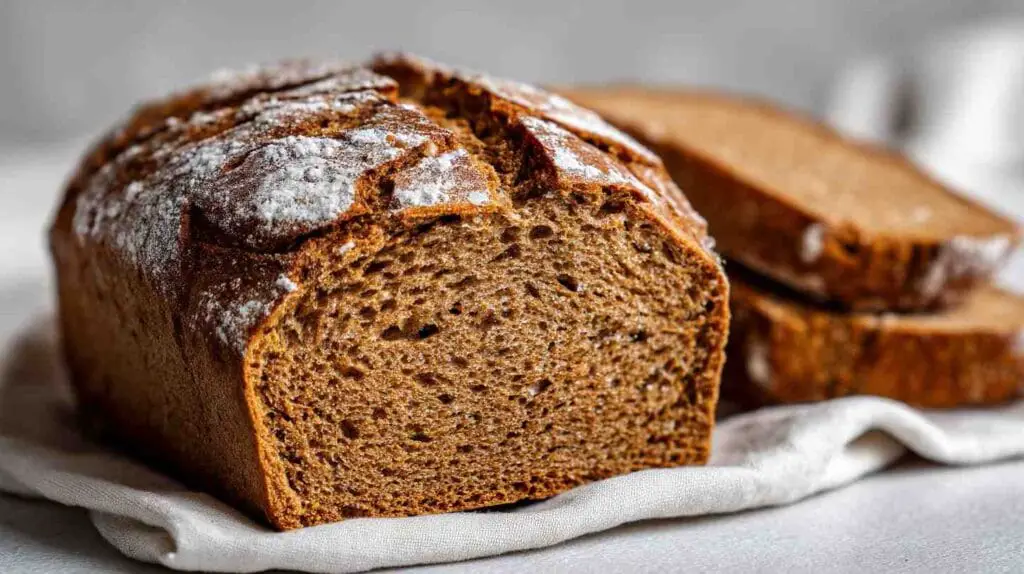
Welcome to Recipes in Style! I’m Sophie Grace, the culinary mind behind this blog. Today, I’m thrilled to share with you a recipe that combines my love for baking and healthy eating: vegan rye bread. This bread is not only a staple in many cultural cuisines but also a fantastic option for those looking to enjoy a nutritious and delightful slice without any animal products.
Vegan rye bread is a testament to the simplicity and elegance of baking. With its deep, earthy flavors and satisfying texture, it’s perfect for sandwiches, toasts, or simply enjoyed on its own. Whether you’re an experienced baker or a novice in the kitchen, this recipe is designed to guide you through the process with ease and confidence. So, let’s dive into the world of artisanal bread-making and discover the joys of vegan rye bread!
Table of Contents
Table of Contents
What Makes This Recipe Special
Key Benefits
Vegan rye bread offers numerous benefits, both for your health and your taste buds. As a whole grain, rye is packed with nutrients like fiber, minerals, and antioxidants, making it a heart-healthy choice. Additionally, this bread is plant-based, aligning with vegan dietary preferences while providing a rich, satisfying flavor.
Unique Features
What sets this vegan rye bread recipe apart is its simplicity and versatility. The use of caraway seeds adds a distinctive, aromatic note that elevates the bread’s flavor profile. Moreover, this recipe is adaptable, allowing you to customize with various add-ins to suit your palate. Whether you prefer a classic loaf or enjoy experimenting with flavors, this recipe has got you covered.
Ingredients for Vegan Rye Bread
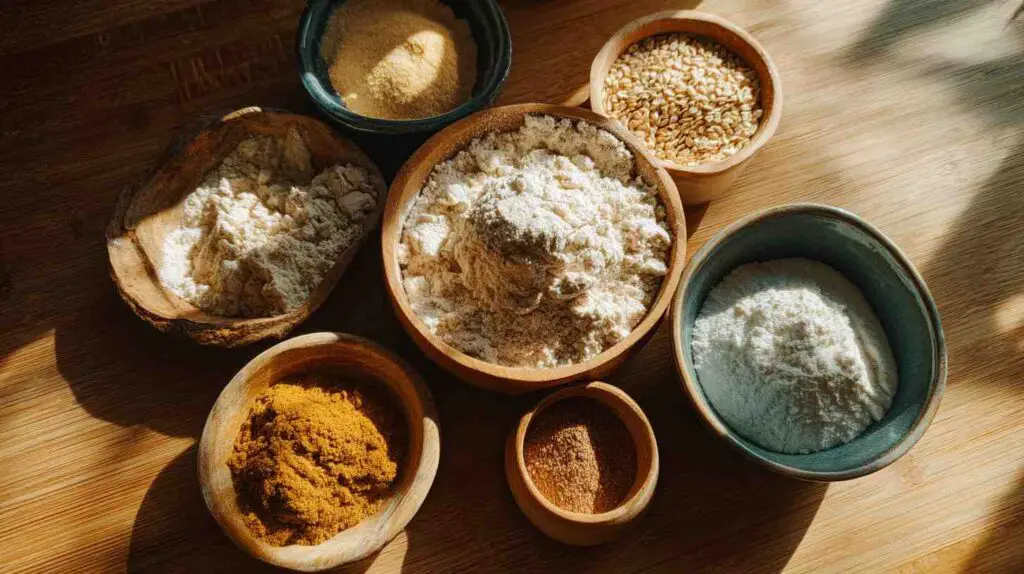
Main Ingredients
- 2 cups rye flour
- 1 cup all-purpose flour
- 1 tablespoon active dry yeast
- 1 tablespoon caraway seeds
- 1 tablespoon molasses
- 1 teaspoon salt
- 1 1/2 cups warm water
- 2 tablespoons olive oil
Optional Add-ins
- 1/4 cup sunflower seeds
- 1/4 cup chopped nuts (walnuts or pecans)
- 1 tablespoon flaxseeds
- 1 tablespoon chia seeds
Step-by-Step Cooking Instructions

Preparation Steps
- In a large mixing bowl, combine the rye flour, all-purpose flour, caraway seeds, and salt.
- Dissolve the molasses in the warm water, then add the active dry yeast. Let it sit for about 5 minutes until it becomes frothy.
- Create a well in the center of the dry ingredients and pour in the yeast mixture along with olive oil.
- Mix the ingredients together using a wooden spoon or your hands until a dough begins to form.
Cooking Process
- Transfer the dough onto a floured surface and knead for about 10 minutes until smooth and elastic. If using optional add-ins, incorporate them during this step.
- Place the dough in a lightly oiled bowl, cover with a damp cloth, and let it rise in a warm place for 1-2 hours, or until doubled in size.
- Preheat your oven to 425°F (220°C). Punch down the dough and shape it into a loaf.
- Place the loaf on a baking sheet lined with parchment paper or in a greased loaf pan. Let it rise for an additional 30 minutes.
- Bake in the preheated oven for 30-35 minutes until the bread is golden brown and sounds hollow when tapped on the bottom.
- Allow the bread to cool on a wire rack before slicing.
Tips and Tricks for Perfect Results

Pro Chef Tips
To achieve the best results, ensure your water is warm but not hot, as excessive heat can kill the yeast. For a crispier crust, spray water into the oven before baking to create steam. Additionally, using a kitchen scale for measuring ingredients can provide more accuracy than cups.
Common Mistakes to Avoid
Avoid over-kneading the dough, as this can lead to a tough texture. Also, ensure that the dough has risen sufficiently before baking; otherwise, the bread may become dense. Lastly, resist the temptation to slice the bread while it’s hot, as this can affect the texture.
Nutritional Information and Health Benefits
Calories and Macros
A slice of vegan rye bread (approximately 50g) contains about 120 calories, 2g of fat, 24g of carbohydrates, and 4g of protein. It’s a great source of dietary fiber and offers essential nutrients without any cholesterol.
Health Benefits
Rye bread is known for its heart health benefits, as it helps to lower cholesterol levels and improve digestion due to its high fiber content. Moreover, its low glycemic index makes it a suitable option for maintaining stable blood sugar levels.
Whole grains like rye are recognized for their positive impact on cardiovascular health. As explained by the Cleveland Clinic’s whole grains overview, diets rich in whole grains and high-fiber foods may help support heart health and overall wellness by improving cholesterol levels and digestion.
Recipe Variations and Substitutions
Dietary Modifications
For those with gluten sensitivities, substitute the all-purpose flour with a gluten-free blend. Additionally, for a lower-carb option, you can reduce the amount of rye flour and replace it with almond or coconut flour.
Flavor Variations
Enhance the flavor of your rye bread by adding spices such as fennel seeds or anise. For a hint of sweetness, incorporate dried fruits like raisins or apricots. You can also experiment with different nuts and seeds for added texture and nutrition.
For a creative twist on fermented baking, try these crispy-on-the-outside vegan sourdough waffles. They’re a great way to explore sourdough flavors beyond bread while keeping everything plant-based and wholesome.
Storage and Serving Suggestions
How to Store
Store your vegan rye bread in a paper bag or wrapped in a clean kitchen towel at room temperature for up to three days. For longer storage, freeze the bread in a plastic bag or airtight container for up to three months. Thaw at room temperature or in a preheated oven before serving.
Serving Ideas
Vegan rye bread pairs wonderfully with a variety of toppings, such as avocado, hummus, or nut butter. It also makes an excellent base for open-faced sandwiches, topped with fresh vegetables and vegan cheese. For a cozy breakfast, try it toasted with a drizzle of maple syrup or agave nectar.
If you enjoy baking hearty, flavorful breads, you’ll also love these chewy and aromatic vegan garlic herb bagels. Their savory garlic-and-herb profile makes them perfect for breakfast spreads, sandwiches, or pairing with soups much like rye bread.
Frequently Asked Questions
Can I make this bread without yeast?
Yes, you can use baking soda and vinegar as a substitute, but the texture will be different.
Is rye flour gluten-free?
No, rye flour contains gluten, so it’s not suitable for those with celiac disease.
How can I tell if my bread is fully baked?
The bread should sound hollow when tapped on the bottom and have a golden crust.
Conclusion
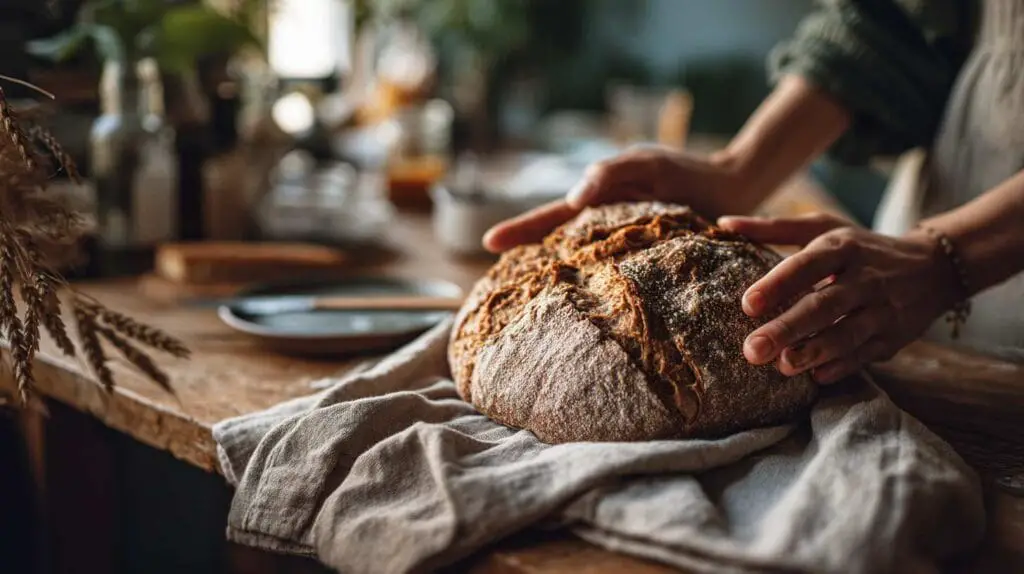
Baking vegan rye bread at home is not only rewarding but also allows you to enjoy a wholesome, nutritious loaf tailored to your preferences. With its rich flavor and numerous health benefits, this bread is a wonderful addition to any meal. Whether you’re new to baking or a seasoned pro, this recipe provides a straightforward approach to creating delicious, plant-based bread.
This vegan rye bread is just one example of how traditional breads can be reimagined with plant-based ingredients. If you love discovering breads from different cultures and techniques, explore our complete collection of global bread recipes for more homemade baking inspiration.
Thank you for joining me on this culinary journey here at Recipes in Style. I hope this recipe inspires you to explore the world of vegan baking and discover the joys of cooking with style and creativity. Don’t forget to share your vegan rye bread creations with me on social media. Bon appétit!
Print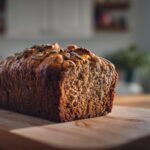
Master the Art of Vegan Rye Bread: A Delicious Recipe
- Total Time: 2 hours 30 minutes
- Yield: 1 loaf 1x
- Diet: Vegan
Description
This vegan rye bread is a hearty, wholesome loaf packed with fiber and flavor. Perfect for toasts, sandwiches, or simply enjoyed on its own.
Ingredients
- 2 cups rye flour
- 1 cup all-purpose flour
- 1 tablespoon active dry yeast
- 1 tablespoon caraway seeds
- 1 tablespoon molasses
- 1 teaspoon salt
- 1 1/2 cups warm water
- 2 tablespoons olive oil
- Optional: 1/4 cup sunflower seeds
- Optional: 1/4 cup chopped walnuts or pecans
- Optional: 1 tablespoon flaxseeds
- Optional: 1 tablespoon chia seeds
Instructions
- In a large mixing bowl, combine the rye flour, all-purpose flour, caraway seeds, and salt.
- Dissolve molasses in the warm water, then stir in active dry yeast and let sit for 5 minutes until frothy.
- Create a well in the dry ingredients and pour in the yeast mixture and olive oil.
- Mix with a wooden spoon or hands until a dough forms.
- Knead the dough on a floured surface for 10 minutes until smooth. Add optional ingredients if using.
- Place dough in a lightly oiled bowl, cover with a damp cloth, and let rise in a warm spot for 1–2 hours until doubled.
- Preheat oven to 425°F (220°C). Punch down the dough and shape into a loaf.
- Place on a baking sheet with parchment or in a greased loaf pan. Let rise another 30 minutes.
- Bake for 30–35 minutes until golden and sounds hollow when tapped underneath.
- Cool on a wire rack before slicing.
Notes
For a crispier crust, mist the oven with water before baking. Let bread cool completely before slicing to maintain texture.
- Prep Time: 15 minutes
- Cook Time: 35 minutes
- Category: Bread
- Method: Baking
- Cuisine: Vegan
Nutrition
- Serving Size: 1 slice (50g)
- Calories: 120
- Sugar: 1g
- Sodium: 220mg
- Fat: 2g
- Saturated Fat: 0g
- Unsaturated Fat: 2g
- Trans Fat: 0g
- Carbohydrates: 24g
- Fiber: 4g
- Protein: 4g
- Cholesterol: 0mg
Keywords: vegan, rye bread, healthy, plant-based, sandwich bread