How to Make Kewpie Mayo at Home – Creamier & Better Than Store-Bought!
RECIPE BY
Chef Sophie Grace
3233 Views•17 min read
Japanese cuisine has a way of turning simple ingredients into unforgettable flavors, and nothing proves this more than Kewpie mayo. Known for its rich umami punch, creamy texture, and signature tang, this iconic Japanese condiment has become a kitchen staple across the globe. In this article, we’ll walk you through how to make an authentic Kewpie mayo recipe from scratch, including a quick version using regular mayo. We’ll also explore easy variations, how to use it in sushi, and how it compares to regular mayo. If you’re looking to make your meals pop with flavor, you’re in for a treat.
Table of Contents
What Is Kewpie Mayo and Why Everyone Loves It
What Makes Kewpie Mayo Different from Regular Mayo
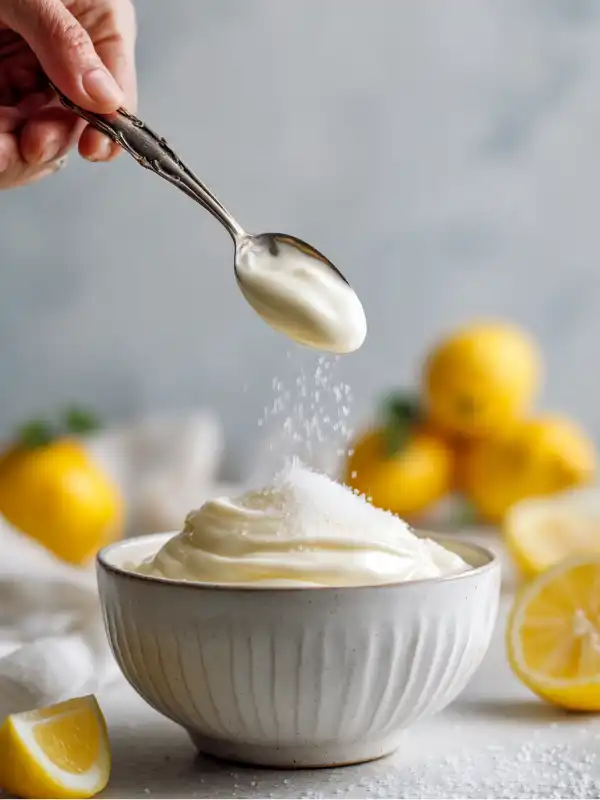
A 2-minute shortcut to achieve that signature Japanese mayo flavor.
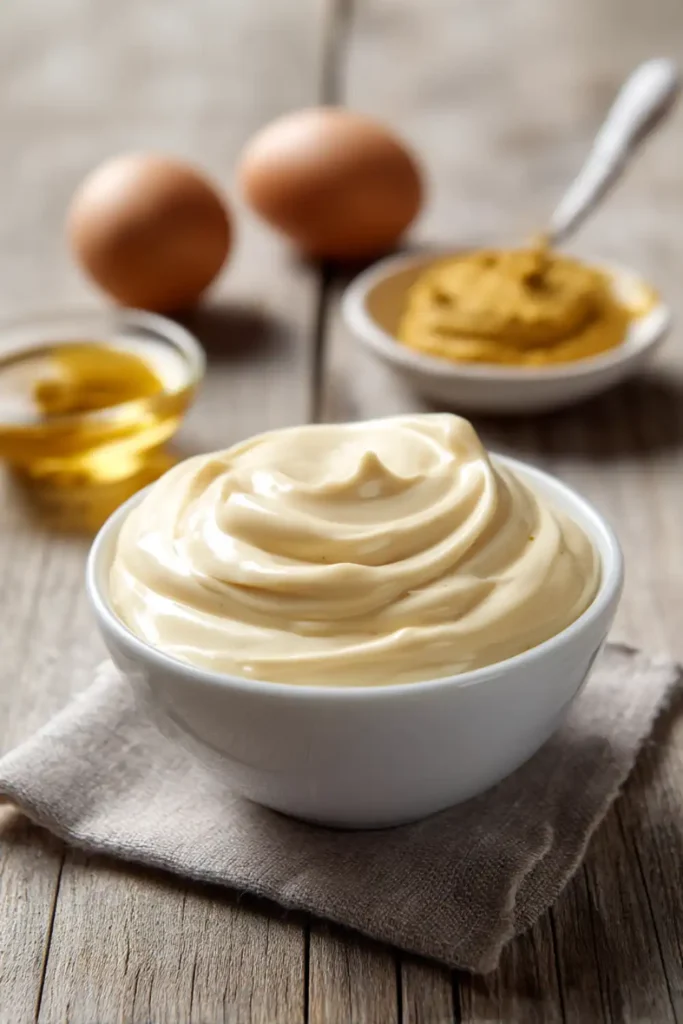
At first glance, Kewpie mayo might look like your average mayonnaise, but dig a little deeper and you’ll find that it’s anything but ordinary. The key differences lie in the ingredients and process. Traditional American mayo uses whole eggs, whereas Kewpie mayonnaise is made solely with egg yolks. This results in a much creamier, richer texture.
Additionally, Kewpie mayo contains rice vinegar or apple cider vinegar (instead of distilled vinegar), giving it a subtle sweetness and tang. Monosodium glutamate (MSG) is often added to amplify its signature umami flavor a trait that sets it apart in both taste and culinary versatility.
Here’s a quick comparison:
Feature
Kewpie Mayo
Regular Mayo
Eggs Used
Egg yolks only
Whole eggs
Vinegar Type
Rice or Apple Cider
Distilled
Flavor Profile
Tangy, Umami-Rich
Neutral, Slightly Tart
Texture
Ultra Creamy
Thick and Smooth
Additives
Often includes MSG
No MSG by default
A Quick History of Kewpie Mayonnaise in Japan
Kewpie mayonnaise was first introduced in 1925 by Toichiro Nakashima, founder of the Kewpie Corporation. His goal? To make a nutritious and flavorful condiment that could improve the diet of Japanese families. Inspired by Western mayo, Nakashima adapted the recipe using locally available ingredients, resulting in a uniquely Japanese twist.
The brand’s iconic baby-faced mascot, named after the Kewpie doll quickly became a household symbol of flavor. Over the years, it grew in popularity, not just in Japan but across Asia and eventually worldwide. Today, Kewpie mayo isn’t just a condiment; it’s a cultural phenomenon.
In Japan, it’s used not just for sandwiches or burgers, but also in dishes like takoyaki (octopus balls), okonomiyaki (savory pancakes), and sushi. This broad culinary application is one of the many reasons people fall in love with Kewpie mayo after just one taste.
Authentic Kewpie Mayo Recipe at Home
Ingredients You Need to Make Japanese Kewpie Mayo
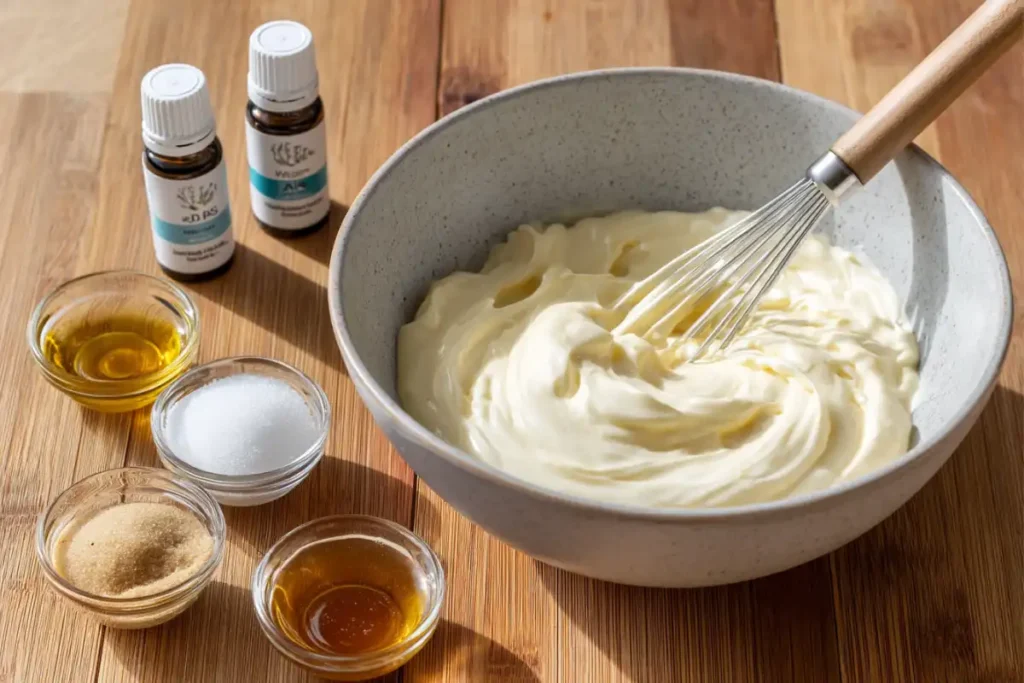
Making Kewpie mayo from scratch isn’t just easy—it also lets you control the quality of ingredients for a purer, fresher flavor. To make the most authentic version at home, you only need a few pantry basics, but proportions and technique matter.
Here’s what you’ll need:
Ingredient
Amount
Notes
Egg yolks
2 large
Use pasteurized for food safety
Rice vinegar
2 tbsp
Apple cider vinegar also works
Dijon mustard
1 tsp
Adds tang and richness
Salt
½ tsp
Balances the acidity
Sugar
1 tsp
Optional but helps balance flavors
MSG (Ajinomoto)
½ tsp
Optional but adds the signature umami taste
Neutral oil
1 cup
Use canola, soybean, or grapeseed oil
Lemon juice
1 tsp
Freshly squeezed for brightness
Optional Tip: Chill all your ingredients slightly before mixing to create a smoother, more stable emulsion.
Step-by-Step Instructions for the Perfect Homemade Kewpie Mayo
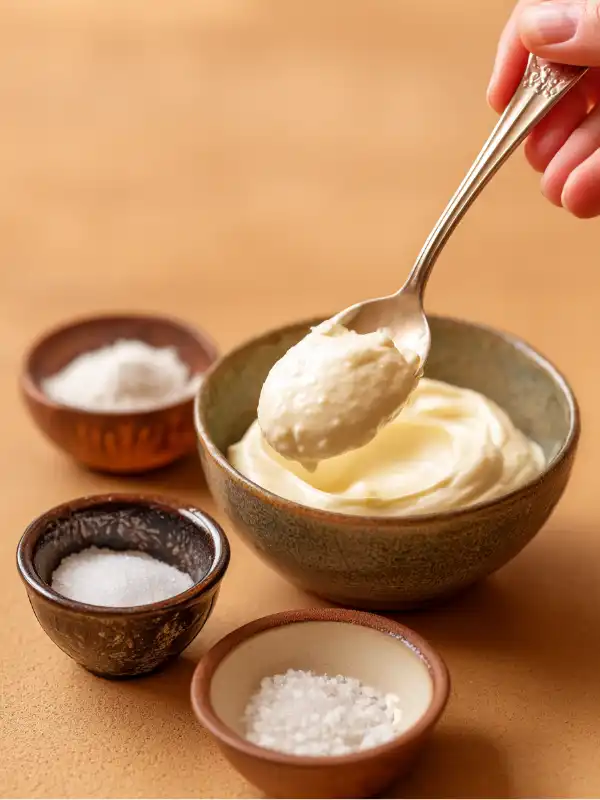
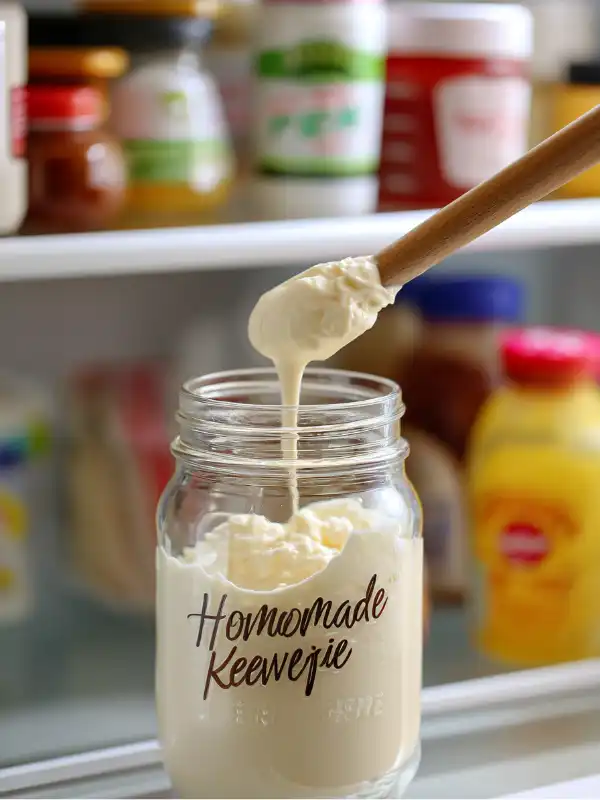
Start with the base: egg yolks, vinegar, and seasoning blended until smooth.Slowly drizzle in oil to emulsify—this is the heart of creamy Japanese mayo.Finish with lemon and optional MSG for that signature umami depth.Adjust sweetness or texture to taste—this is your perfect batch.Store in a clean jar and refrigerate—use within a week for best flavor.
Follow this easy method to whip up fresh, creamy Japanese mayo that rivals the store-bought stuff:
Prepare Your Blender or Food Processor
Use a small blender or food processor for even emulsification. You can also whisk by hand, but it will take more time and effort.
Add Egg Yolks, Mustard, Vinegar, Sugar, and Salt
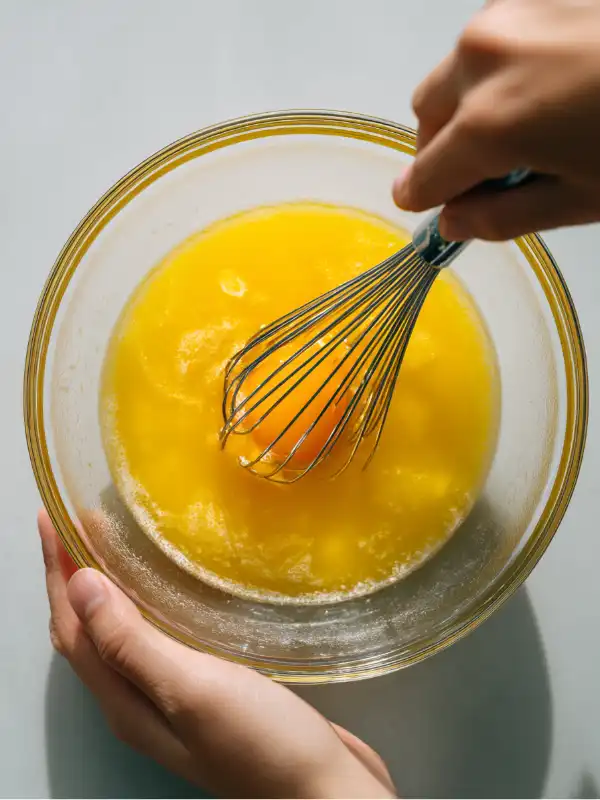
Blend the yolks, mustard, rice vinegar, sugar, and salt for 15 seconds until smooth.
Start Slowly Drizzling in the Oil
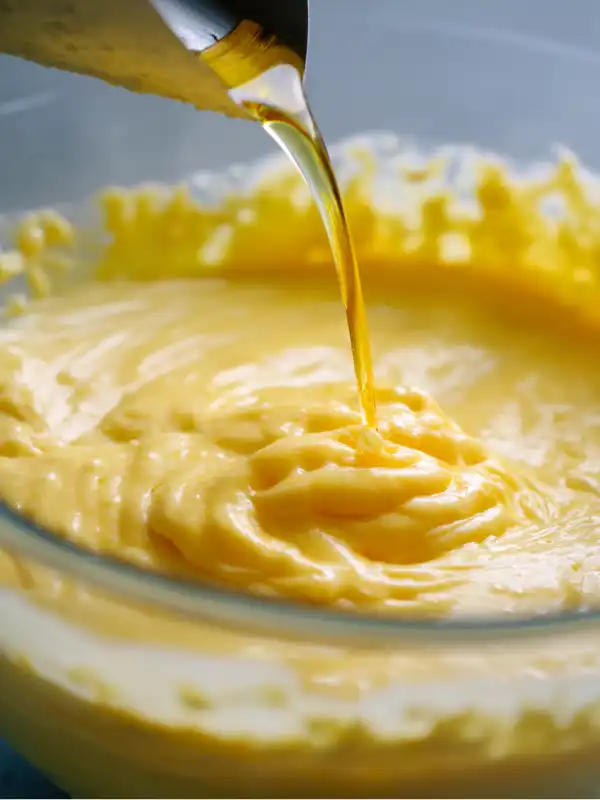
With the blender running, very slowly pour in the oil in a thin stream. Emulsification begins when the mixture thickens and turns pale.
Incorporate the MSG and Lemon Juice
Once all the oil is in, add the MSG and lemon juice. Blend again for a few seconds to finish.
Taste and Adjust
Want it sweeter? Add a pinch more sugar. Too thick? Add a teaspoon of water to thin it out.
Store and Chill
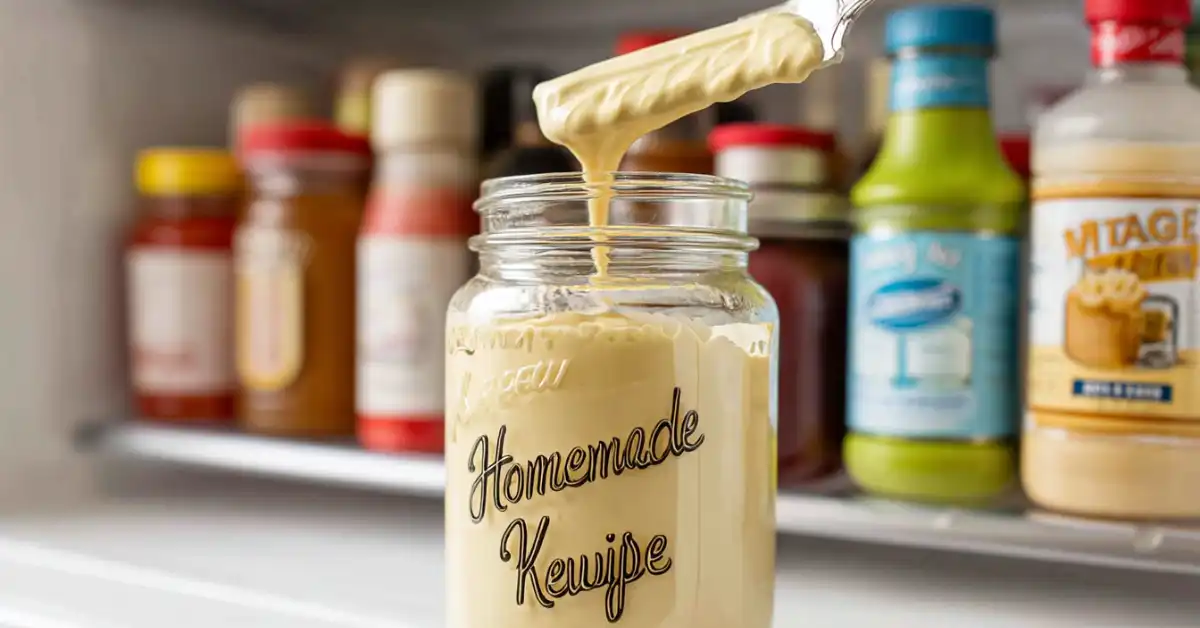
Pour the mayo into a clean, airtight jar and refrigerate. Use within 1 week for best flavor.
This homemade Kewpie mayo recipe delivers on all fronts—flavor, texture, and satisfaction. Once you taste it, there’s no going back to the generic stuff.
Kewpie Mayo Recipe Using Regular Mayo (Shortcut Version)
How to Transform Regular Mayo into Kewpie Style
So, you’re craving that signature Japanese mayonnaise flavor, but don’t have time to whip it up from scratch? Good news you can recreate the Kewpie mayo recipe using regular store-bought mayo and just a few extra ingredients. It won’t be 100% authentic, but it’ll come surprisingly close.
Here’s a quick fix recipe:
Quick Kewpie Mayo Hack:
Ingredient
Amount
Regular mayonnaise
½ cup
Rice vinegar
1 tbsp
Sugar
½ tsp
MSG (Ajinomoto or optional)
¼ tsp
Egg yolk (optional, pasteurized)
1 small yolk (for texture)
Directions:
Mix all ingredients in a bowl until smooth.
For best results, use a whisk or small blender.
Taste and tweak. Need more zing? Add a few drops of lemon juice.
This trick is perfect for when you’re tight on time or missing core ingredients like raw yolks or neutral oil. And best of all, it keeps well in the fridge for up to five days.
Pro Tip: Add a dash of Dijon mustard if you want a little kick, or throw in a pinch of garlic powder to take it to a new level.
Best Store-Bought Mayo for This Quick Recipe
Not all mayonnaise brands are created equal, especially when you’re trying to recreate the creamy richness of Kewpie. To get as close as possible using American or Western mayo, opt for:
Brand
Why It Works Well
Hellmann’s Real Mayo
Balanced and slightly tangy
Duke’s Mayo
Rich, eggy flavor close to Kewpie texture
Trader Joe’s Mayo
Thicker, smoother base
Avoid light or low-fat mayo they usually contain fillers or gums that interfere with texture and emulsification. This method isn’t just fast, it’s also budget-friendly and beginner-proof. Whether you’re jazzing up a sandwich or prepping spicy tuna rolls, this shortcut Kewpie mayo recipe has your back.
Easy Kewpie Mayo Recipe Variations
3-Ingredient Easy Kewpie Mayo for Beginners
If you’re new to making mayonnaise at home or just want something incredibly simple, this 3-ingredient Kewpie mayo recipe is the way to go. You don’t need fancy gear or culinary skills just a whisk, a bowl, and a few staple items.
Beginner-Friendly Recipe:
Ingredient
Amount
Egg yolk
1 large
Rice vinegar
1 tbsp
Neutral oil
½ cup
Optional Add-ons for flavor boost:
Pinch of sugar (for balance)
A dash of Dijon mustard (for tang)
¼ tsp MSG (for that iconic umami)
Instructions:
Whisk the egg yolk and vinegar together until creamy.
Slowly drizzle in the oil while continuing to whisk.
Add optional flavorings to taste and blend until smooth.
This simplified version keeps the spirit of Japanese mayo without overwhelming your prep time. It’s ideal for quick meals or first-time attempts.
Egg-Free or Vegan Kewpie Mayo Recipe Options
Whether you’re avoiding eggs for health, diet, or ethical reasons, you can still enjoy a Kewpie mayo-style condiment with a few clever substitutions. The key is replacing the emulsifier (egg yolk) with plant-based alternatives while preserving that creamy texture and umami-rich flavor.
Vegan Japanese Mayo Recipe:
Ingredient
Amount
Why It Works
Silken tofu or aquafaba
¼ cup
Acts as an emulsifier
Rice vinegar
1 tbsp
Provides that signature tang
Sugar
1 tsp
For balance
Mustard
1 tsp
Adds depth and slight acidity
Neutral oil
½ cup
Builds structure and texture
Sea salt
½ tsp
Enhances flavor
Nutritional yeast (optional)
1 tsp
Boosts umami in place of MSG
Instructions:
Blend all ingredients on high for 1 minute.
Taste, adjust flavors, and chill for 30 minutes before using.
This egg-free Kewpie mayo is perfect for vegans and also works great in sushi rolls, potato salads, and dressings.
Japanese Mayonnaise Recipe for Sushi and Rolls
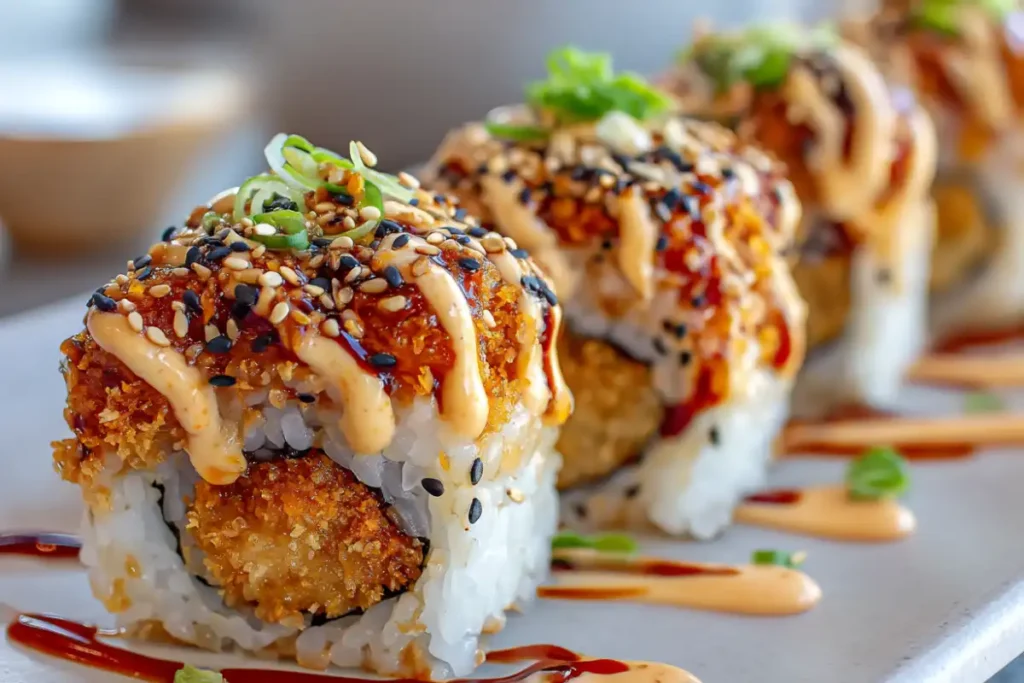
Kewpie mayo brings bold, creamy flavor to your favorite sushi rolls.
Traditional Sushi Rice Toppings with Kewpie Mayo
If you’ve ever tasted sushi in Japan, or at an authentic Japanese restaurant, you’ve probably encountered dishes enhanced with Kewpie mayo. This creamy, tangy mayonnaise is often drizzled over sushi rolls, mixed into spicy fillings, or used as a topping to balance bold flavors.
Sushi Type
How Kewpie Mayo Is Used
Spicy Tuna Roll
Mixed with Sriracha to create spicy mayo
Ebi Fry (Fried Shrimp Sushi)
Mayo drizzled over for creamy finish
California Roll
Combined with imitation crab or avocado
Tamago Nigiri
Brushed with a touch for added richness
Aburi Sushi (Flame-Seared)
Mayo torched on top for umami depth
Why it works: The egg yolk base in Japanese mayonnaise adds body and umami, while rice vinegar enhances the harmony with seasoned sushi rice.
Best Sushi Combinations That Use Japanese Mayo
Want to take your homemade sushi to the next level? These roll combinations are perfect for showcasing your homemade Kewpie mayo recipe:
1. Spicy Crab Salad Roll
Ingredients: Imitation crab, cucumber, avocado, and spicy Kewpie mayo
Assembly Tip: Mix the mayo with Sriracha and a bit of sugar for a kick.
2. Crunchy Shrimp Tempura Roll
Ingredients: Tempura shrimp, avocado, Kewpie mayo
Flavor Boost: Add toasted sesame seeds and a drizzle of soy glaze.
3. Tuna Tataki Roll with Torched Kewpie
Ingredients: Lightly seared tuna slices, wasabi mayo
Technique: Use a kitchen torch to sear the Kewpie topping for smoky flavor.
4. Vegan Sushi Rolls with Tofu and Mayo
Ingredients: Marinated tofu, carrots, cucumber, vegan Kewpie mayo
Perfect for plant-based sushi nights.
5. Spicy Salmon Hand Rolls
Ingredients: Raw salmon, scallions, spicy Japanese mayo
Presentation Tip: Wrap in seaweed cones for easy handheld serving.
Making sushi at home? If you’re new to rolling techniques or curious how to apply Kewpie mayo creatively, this Beginner’s Sushi Guide by Delish is an excellent place to start.
Quick Sushi Mayo Recipe: Mix 2 tablespoons of your homemade Kewpie mayo with 1 teaspoon of Sriracha and ½ teaspoon of lemon juice. This combo is perfect as a dip or sushi filling.
If you’re looking for the perfect dish to showcase your homemade Kewpie mayo, try it over a hearty salmon and avocado rice bowl. The creamy, umami-rich mayo balances the richness of the salmon and the freshness of avocado beautifully, making every bite pop with flavor.
Delicious Ways to Use Kewpie Mayo in Everyday Dishes
10 Unique and Tasty Recipes Using Kewpie Mayo
Whether you’re a casual cook or a flavor fanatic, once you’ve made your own Kewpie mayo, you’ll want to put it on everything, and we mean everything. Thanks to its creamy consistency and umami-rich flavor, it elevates even the simplest dishes.
Here are 10 creative ways to use it:
Japanese Potato Salad : Mix with boiled potatoes, carrots, cucumber, and a touch of mustard. The mayo adds unmatched creaminess and tang.
Okonomiyaki (Savory Pancake) : Drizzle your Kewpie mayo in zigzag patterns over this traditional street food. Top with bonito flakes for full effect.
Egg Sandwiches (Tamagoyaki Sando) : Use Kewpie instead of regular mayo in egg salad for deeper flavor and richness.
Kewpie Corn Dip : Blend mayo with grilled corn, chili powder, and lime for a creamy, spicy dip.
Baked Chicken Thighs : Coat chicken in a mix of Kewpie mayo and miso paste, then bake. The result: golden, juicy, and flavorful.
Cabbage Slaw : Replace your slaw’s usual dressing with Kewpie, lemon juice, and sesame oil for an Asian twist.
Furikake Mayo Toast : Toast bread, spread Kewpie mayo, and top with furikake seasoning. Broil for 2 minutes—deliciously crunchy.
Shrimp or Tuna Salad : Mix seafood with Kewpie, scallions, and celery. Serve cold or stuffed in an avocado half.
Tempura Dipping Sauce : Blend mayo with soy sauce and wasabi for a dipping sauce with serious kick.
Mayo Gratin : Add Kewpie mayo to a casserole topping before baking—it helps brown beautifully and adds umami.
Kewpie mayo also makes an incredible dipping sauce for fried dishes. If you’re making Japanese chicken katsu, try serving it with a side of Kewpie or spicy mayo instead of the usual tonkatsu sauce, it adds a creamy contrast that complements the crunchy coating perfectly.
From Sandwiches to Dips: Best Pairings for Kewpie Mayo
Kewpie’s ultra-smooth texture and savory bite make it a perfect match for both Western and Asian dishes. Here’s a breakdown of where it shines:
Dish Type
How Kewpie Enhances It
Sandwiches & Wraps
Adds creaminess without overpowering
Rice & Noodle Bowls
Blends perfectly with soy, sesame, or miso
Grilled Meats
Locks in moisture and helps caramelize
Fried Foods (karaage)
Dip for crispy bites
Vegetables
Turns plain veggies into crave-worthy sides
Pro Tip: Mix with sriracha or gochujang to create spicy dips for fries, wings, or even roasted cauliflower.
While traditionally not Japanese, dishes like Thai curry can benefit from a fusion twist. A small spoonful of Kewpie mayo stirred into your favorite Thai red curry adds a velvety creaminess and a layer of umami that elevates the whole dish.
Kewpie Mayo vs Regular Mayo: Key Differences
Taste, Texture, and Ingredients Comparison
To the untrained palate, mayo is just mayo. But one spoonful of Kewpie mayonnaise next to standard American mayo tells a very different story. Let’s break down the core differences so you understand exactly why this Kewpie mayo recipe stands out.
Flavor: Kewpie mayo is richer, slightly sweeter, and packs a stronger umami punch thanks to its egg yolk-only base and the inclusion of MSG or natural glutamates. Regular mayo is milder, tangier, and a bit more acidic.
Texture: Japanese mayo is smoother and silkier. It’s less stiff and spreads beautifully, which makes it ideal for dips, toppings, and sauces.
Ingredients: Kewpie mayo uses:
Egg yolks only
Rice or apple cider vinegar
MSG (monosodium glutamate) or yeast extract
Whereas regular mayo uses:
Whole eggs
Distilled white vinegar or lemon juice
No MSG
Here’s a side-by-side table for clarity:
Feature
Kewpie Mayo
Regular Mayo
Eggs Used
Egg yolks only
Whole eggs
Vinegar Type
Rice or apple cider
Distilled white
Flavor Profile
Umami, tangy-sweet
Mild, slightly tart
Texture
Creamy, smooth, less stiff
Thicker and denser
Additives
MSG or yeast extract
Often none
Popular Brands
Kewpie, Ajinomoto
Hellmann’s, Duke’s, Kraft
If you’re trying to duplicate the flavor of Kewpie, it’s important to start with the right base, and regular mayo alone won’t cut it.
Why Japanese Mayo Is a Game Changer in Recipes
So what makes Kewpie mayo the go-to for chefs, foodies, and home cooks alike? The secret lies in umami, that savory, craveable depth found in everything from miso to Parmesan cheese. Kewpie doesn’t just bind ingredients together; it enhances and lifts flavors in a way regular mayo simply doesn’t.
Here’s why it matters:
Better binding in sushi and rolls
Smoother texture in dips and sauces
Richer taste in potato and pasta salads
Superior caramelization on baked and grilled foods
Want proof? Try using Kewpie in your next grilled cheese or deviled egg recipe. The results speak for themselves.
What’s the Best Substitute for Japanese Mayo?
Homemade Substitutes Using Pantry Ingredients
Craving that signature Kewpie mayo flavor, but ran out or can’t find it at your local store? No problem. There are easy ways to create a Japanese mayo substitute using common kitchen ingredients. While these alternatives may not be a perfect match, they come impressively close in both taste and texture.
Here’s a quick DIY hack to mimic Kewpie mayo at home:
Pantry-Based Japanese Mayo Substitute:
Ingredient
Amount
Regular mayonnaise
½ cup
Rice vinegar
1 tbsp
Sugar
½ tsp
MSG or Nutritional Yeast
¼ tsp
Egg yolk (optional)
1 (for richness)
Instructions:
Whisk all ingredients together until smooth.
Chill before serving for best results.
This simple mix enhances regular mayo’s flavor profile by adding umami depth and soft tang, mimicking the rich, silky taste of Kewpie mayo.
Best Store-Bought Alternatives for Kewpie Mayo
If DIY isn’t your thing, there are store-bought options that can step in as a solid stand-in when you’re out of or avoiding Japanese mayonnaise.
Top Kewpie Mayo Substitutes You Can Buy:
Brand
Why It Works Well
Trader Joe’s Organic Mayo
Thick, creamy, subtly tangy
Duke’s Mayonnaise
Eggy and smooth, rich texture
Primal Kitchen Avocado Mayo
Great for keto and egg-focused taste
Hellmann’s Real Mayo + MSG
Add MSG or nutritional yeast to mimic Kewpie’s umami
Pro Tip: If you’re looking for a vegan alternative, opt for Sir Kensington’s Vegan Mayo and mix in a little rice vinegar and sugar. You’ll get similar tang without animal products.
Whether you’re going full homemade or shortcutting with a hack, these substitutes prove that you don’t need to skip your favorite dishes when Kewpie’s not on hand.
FAQs About Kewpie Mayo Recipe
How do I make Kewpie mayo from regular mayo?
To make a Kewpie mayo recipe from regular mayo, mix ½ cup of your favorite mayonnaise with 1 tablespoon rice vinegar, ½ teaspoon sugar, and a pinch of MSG or nutritional yeast. For added authenticity, stir in one egg yolk. Whisk until smooth and chill before serving. It’s a quick and easy hack when you’re short on time.
What are the best uses for Kewpie mayo?
Kewpie mayo is incredibly versatile. It’s used in sushi rolls (like spicy tuna), okonomiyaki, egg sandwiches, tempura dips, and even on burgers or roasted veggies. Its creamy texture and umami flavor make it perfect for both Asian and Western-style dishes.
Is there an easy Kewpie mayo recipe I can follow?
Yes! For a super easy Kewpie mayo recipe, whisk 1 egg yolk with 1 tablespoon rice vinegar, then slowly add ½ cup neutral oil. Finish with a pinch of sugar, salt, and MSG (optional). It takes less than 10 minutes and stores well in the fridge.
Can I make Japanese mayonnaise at home for sushi?
Absolutely. Homemade Japanese mayo for sushi can be made by blending egg yolks, rice vinegar, and oil with a dash of MSG and sugar. The smooth, rich consistency is ideal for sushi toppings or spicy mayo blends. Try adding Sriracha to turn it into spicy tuna sauce.
How does Kewpie mayo differ from regular mayo?
Kewpie mayo uses only egg yolks (not whole eggs), rice vinegar, and MSG, which gives it a richer texture and deep umami flavor. Regular mayo is often thicker, less tangy, and more acidic due to distilled vinegar. This difference makes Kewpie a game-changer in recipes where creaminess and flavor are key.
What do Reddit users say about making Kewpie mayo at home?
According to Reddit threads on cooking subs, users love experimenting with Kewpie mayo recipes at home. The most popular hacks involve mixing regular mayo with rice vinegar and MSG. Some go all-in with fresh yolks and immersion blenders. Most agree: once you try the homemade version, store-bought feels like a compromise.
Is there a good Japanese mayo substitute I can try?
Yes. You can make a Japanese mayo substitute using regular mayo, rice vinegar, sugar, and a pinch of MSG. For a vegan alternative, blend silken tofu or aquafaba with vinegar and oil. Store-bought options like Trader Joe’s or Duke’s mayo also work when mixed with a few key flavor boosters.
Whether you’re looking to recreate the beloved umami kick of Kewpie mayo or simply upgrade your mayo game, this guide gives you everything you need. From the traditional yolk-rich recipe to vegan-friendly and shortcut versions using regular mayo, you’ve got options for every kitchen and skill level.
Now that you’ve mastered how to make your own Japanese mayonnaise, why not take your recipes up a notch? From sushi rolls to sandwiches, dips to dressings, Kewpie mayo turns basic into bold. Try it once, and you’ll see why it’s not just a condiment, it’s a flavor experience.
A creamy, egg-free Kewpie-style mayo you can whip up in minutes.Print
A rich and creamy homemade Kewpie mayo recipe made with egg yolks, rice vinegar, and a touch of umami. Perfect for sushi, sandwiches, and dips.
Ingredients
Scale
2 egg yolks
2 tbsp rice vinegar
1 tsp Dijon mustard
½ tsp salt
1 tsp sugar
½ tsp MSG (optional)
1 cup neutral oil
1 tsp lemon juice
Instructions
Blend yolks, vinegar, mustard, salt, and sugar.
Slowly add oil until emulsified.
Stir in lemon juice and MSG.
Store in a clean jar and refrigerate up to 1 week.
Notes
Use fresh, room-temperature egg yolks for best emulsification. Pasteurized yolks are recommended for food safety.
MSG is optional but adds the signature umami flavor found in authentic Japanese mayo. You can substitute with nutritional yeast or omit if preferred.
Neutral oils like canola, grapeseed, or soybean work best—avoid strong-flavored oils like olive oil.
For a thinner mayo, whisk in a few drops of warm water at the end.
Store in an airtight container in the refrigerator and use within 5–7 days.
Customize the flavor by adding a pinch of garlic powder, chili oil, or yuzu juice for variation.
Prep Time:10 minutes
Cook Time:0 minutes
Category:Condiment / Sauce
Method:Whisking / Blending
Cuisine:Japanese
Nutrition
Serving Size:1 tablespoon (approx. 15g)
Calories:95
Sugar:0.5g
Sodium:65mg
Fat:10g
Saturated Fat:1.5g
Unsaturated Fat:8g
Trans Fat:0g
Carbohydrates:0.5g
Fiber:0g
Protein:0.2g
Cholesterol:25mg
Keywords: kewpie mayo recipe, Japanese mayonnaise, homemade kewpie mayo, sushi mayo, egg yolk mayo, umami mayo, Japanese mayo recipe, kewpie substitute, spicy mayo, easy Japanese sauce, vegan kewpie mayo, mayo for sushi, Asian condiment, creamy mayo recipe, Japanese cooking essentials
What do you think?
Share your thoughts, tips, or variations on this recipe!
I share easy, flavorful recipes that make home cooking simple, fun, and totally satisfying. Let's get in the kitchen and create something delicious together!








What do you think?
Share your thoughts, tips, or variations on this recipe!