Zaatar Manakish: A Delightful Middle Eastern Flatbread
RECIPE BY
Chef Sophie Grace
450 Views•7 min read
Introduction
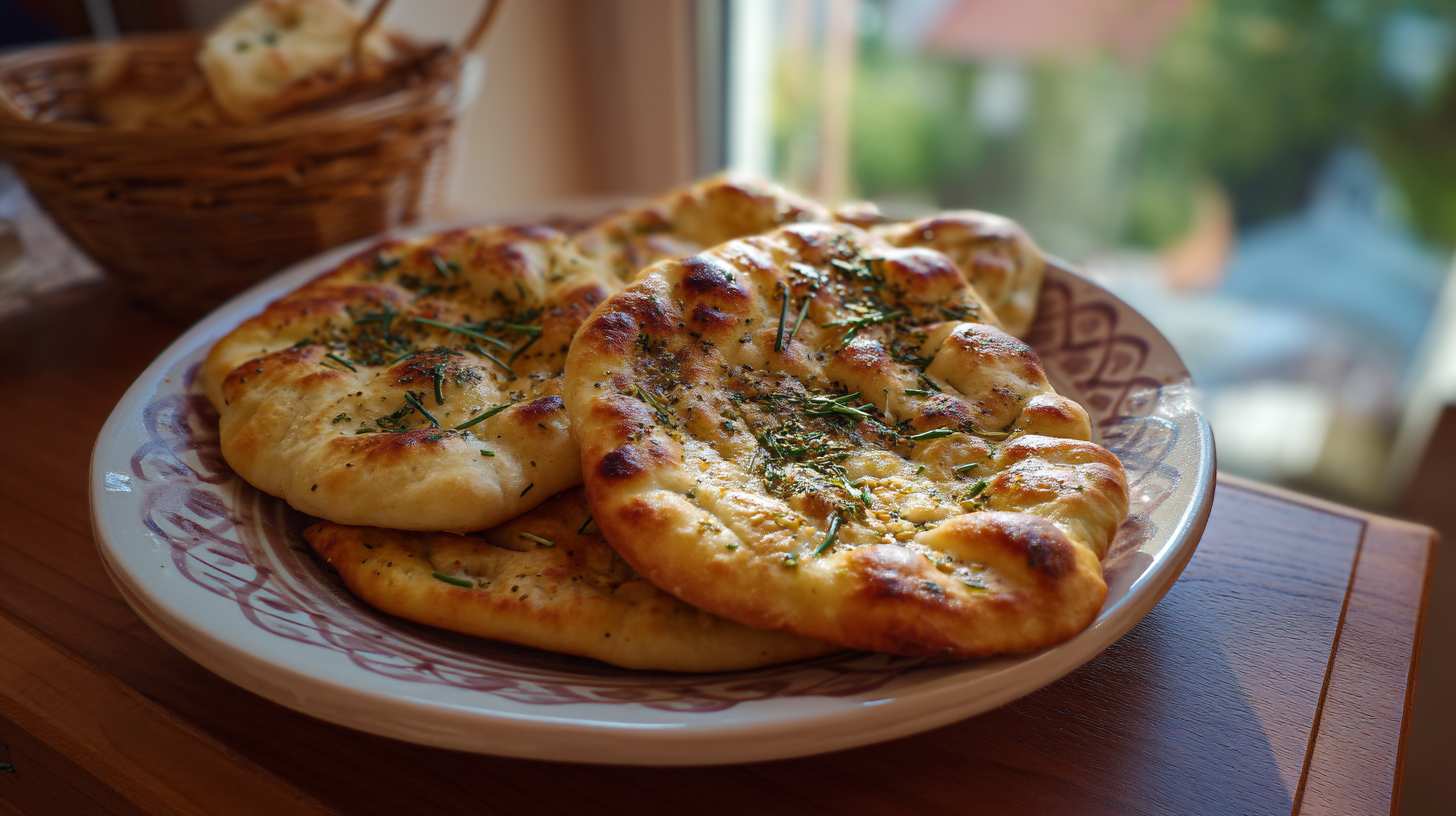
Welcome to Recipes in Style! I’m Sophie Grace, the culinary mind behind this blog. Today, I’m excited to introduce you to the wonderful world of zaatar manakish, a delectable Middle Eastern flatbread that combines the earthy flavors of zaatar with the comforting warmth of freshly baked dough. Whether you’re a seasoned home chef or just beginning your culinary adventure, this recipe is sure to inspire and delight.
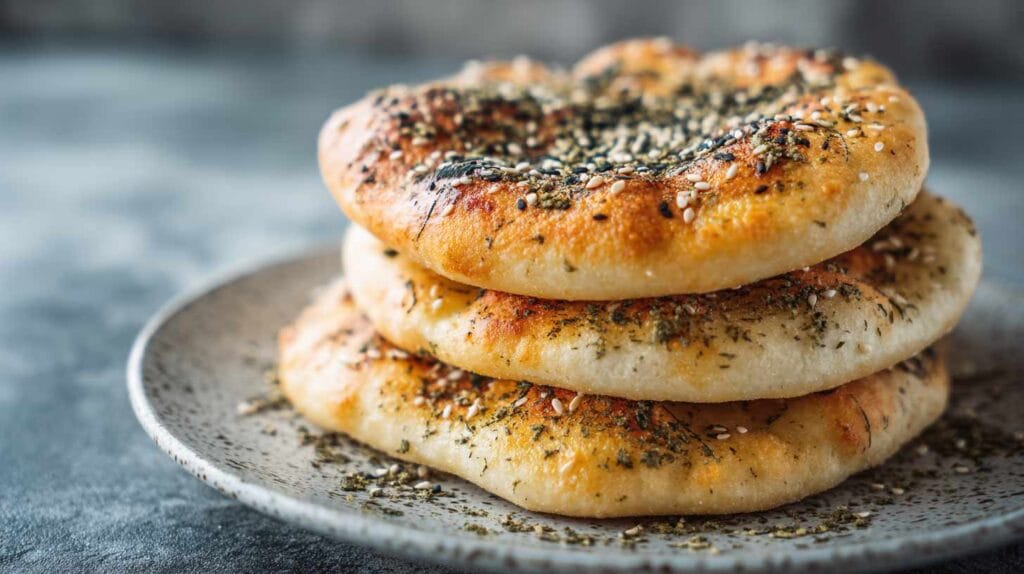
Manakish, often considered the pizza of the Middle East, is a versatile dish that can be enjoyed at any meal. The zaatar topping, a blend of wild thyme, sesame seeds, and sumac, offers a tangy and savory taste that is uniquely satisfying. Join me as we explore how to create this simple yet elegant dish that brings the essence of Middle Eastern cuisine right into your kitchen.
Table of contents
Table of Contents
What Makes This Recipe Special
Key Benefits
Zaatar manakish is not only delicious but also easy to prepare, making it an ideal choice for busy days. This recipe brings the authentic taste of the Middle East to your table with minimal effort. Moreover, the ingredients used are simple and wholesome, ensuring that the dish is as nutritious as it is flavorful.
Unique Features
One of the standout features of this recipe is its versatility. You can customize your manakish with various toppings to suit your taste preferences, from cheese and vegetables to meats. Additionally, the use of zaatar spice mix provides a distinct flavor profile that is both aromatic and complex, elevating the humble flatbread to new culinary heights.
Ingredients for Zaatar Manakish
Main Ingredients
2 cups all-purpose flour
1 teaspoon salt
1 tablespoon sugar
2 teaspoons active dry yeast
3/4 cup warm water
2 tablespoons olive oil
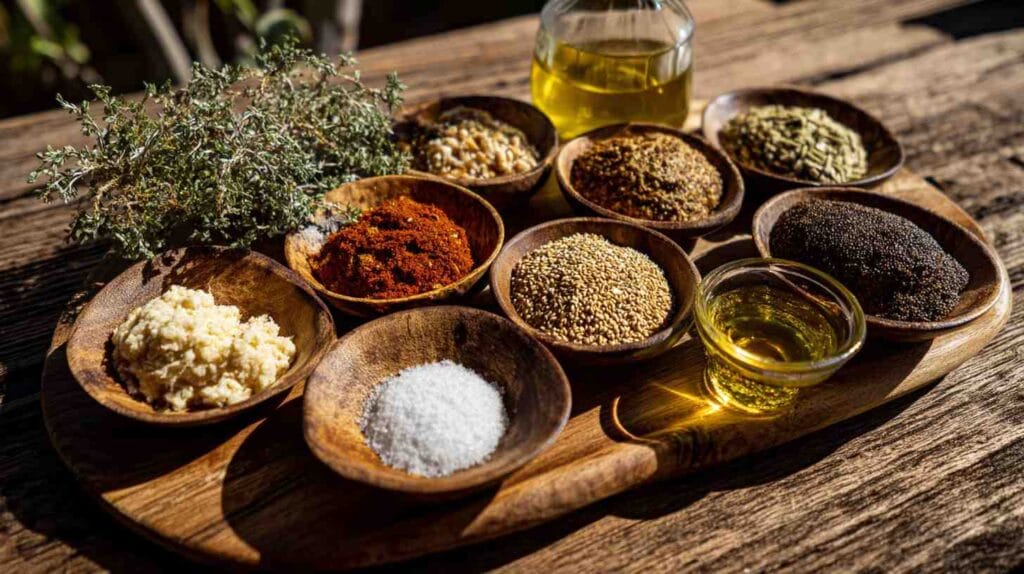
1/2 cup zaatar spice mix
1/4 cup extra virgin olive oil
Optional Add-ins
1 cup shredded mozzarella cheese
1/2 cup crumbled feta cheese
1/4 cup chopped fresh mint or parsley
1/4 cup sliced black olives
1/4 cup diced tomatoes
Step-by-Step Cooking Instructions
Preparation Steps
In a large mixing bowl, combine the flour, salt, and sugar. Stir to evenly distribute the ingredients.
In a separate bowl, dissolve the yeast in the warm water and let it sit for about 5 minutes until it becomes frothy.
Make a well in the center of the flour mixture, then pour in the yeast mixture and olive oil. Mix until a dough forms.
Transfer the dough to a floured surface and knead for about 5-7 minutes until it becomes smooth and elastic.
Place the dough back in the bowl, cover it with a damp cloth, and let it rise in a warm place for about 1 hour or until it doubles in size.
Cooking Process
Preheat your oven to 475°F (245°C) and prepare a baking sheet with parchment paper.
Once the dough has risen, punch it down and divide it into four equal portions. Roll each portion into a ball and flatten into a disk about 1/4 inch thick.
In a small bowl, mix the zaatar spice with the extra virgin olive oil to form a paste.
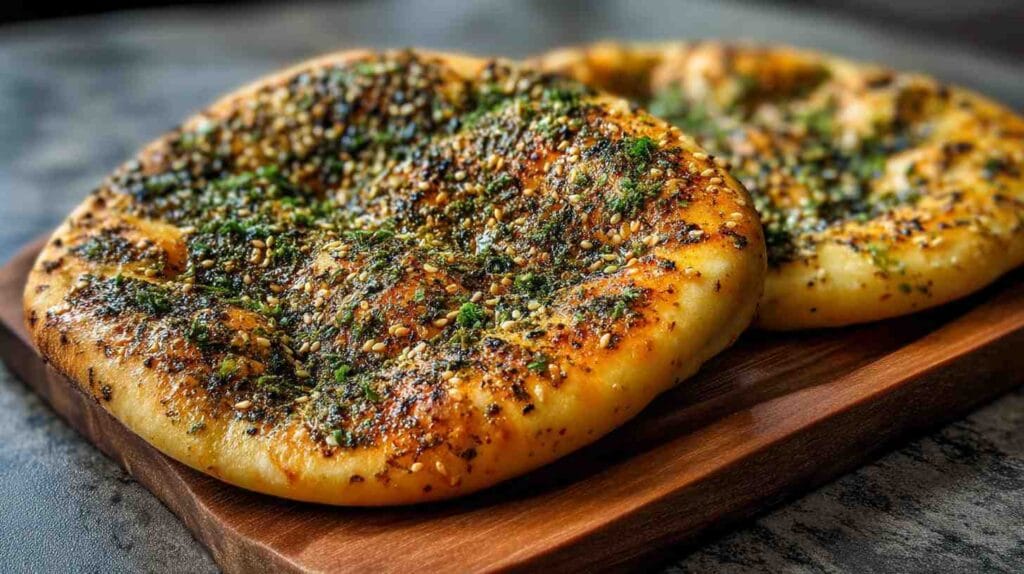
Spread the zaatar mixture evenly over each dough disk, leaving a small border around the edges.
If using optional add-ins, sprinkle them over the zaatar topping at this stage.
Place the manakish on the prepared baking sheet and bake for 8-10 minutes or until the edges are golden brown.
Remove from the oven and let cool slightly before serving.
Tips and Tricks for Perfect Results
Pro Chef Tips
For a perfectly airy dough, ensure your water is just warm to the touch; too hot, and it will kill the yeast. Additionally, allowing the dough to rise in a draft-free area will yield the best results. A warm oven (turned off) can be an ideal spot.
Common Mistakes to Avoid
A common mistake is using too much flour when kneading, which can result in a dense dough. Stick to the measurements and ensure your dough remains slightly sticky. Also, avoid over-baking, as the zaatar manakish is best when the crust is slightly soft and the zaatar topping is aromatic.
Nutritional Information and Health Benefits
Calories and Macros
Each serving of zaatar manakish (without additional toppings) contains approximately 200 calories, 8g of fat, 25g of carbohydrates, and 5g of protein. The nutritional content will vary based on the optional add-ins you choose to include.
Health Benefits
Manakish is a great source of carbohydrates, providing energy and sustenance. The zaatar spice mix is rich in antioxidants, thanks to ingredients like thyme and sumac, which can help reduce inflammation and boost immunity. Olive oil contributes healthy fats that support heart health.
For another light yet flavorful dish, try my Persian Rice Bowl with Feta. It’s a vibrant blend of fluffy saffron rice, creamy feta, and fresh herbs a beautiful balance of freshness and comfort that complements the Middle Eastern flavors of zaatar manakish.
Recipe Variations and Substitutions
Dietary Modifications
For a gluten-free version, substitute the all-purpose flour with a gluten-free baking mix. For a vegan option, omit any cheese toppings and stick to vegetable add-ins like tomatoes and olives.
Flavor Variations
The beauty of manakish lies in its adaptability. For a cheesy twist, add a layer of mozzarella before spreading the zaatar. For a meaty version, include cooked ground beef or lamb. You can also experiment with different herbs like oregano or rosemary for a unique flavor profile.
If you’re in the mood for something heartier, explore my Greek Lamb Shanks Recipe. These slow-braised lamb shanks are infused with aromatic herbs and red wine, offering a rich, comforting taste of traditional Greek cuisine.
Storage and Serving Suggestions
How to Store
Store any leftover manakish in an airtight container at room temperature for up to 2 days, or refrigerate for up to a week. Reheat in a warm oven or toaster oven to regain its crispiness.
Serving Ideas
Zaatar manakish is best enjoyed warm, either on its own or as part of a Middle Eastern mezze spread. Pair it with hummus, baba ganoush, or a fresh salad for a complete meal. It also makes a great accompaniment to soups or stews.
Combine dried thyme, sesame seeds, sumac, and a pinch of salt for a homemade zaatar mix.
Can I freeze manakish dough?
Yes, the dough can be frozen after the first rise. Wrap it in plastic wrap and store it in a freezer bag for up to 3 months.
Want to keep exploring? Dive into my full collection of Mediterranean Recipes. From Lebanese mezze and Greek classics to Moroccan stews, you’ll find a world of flavor waiting to be recreated in your kitchen.
Conclusion
In conclusion, zaatar manakish is a delightful dish that brings a taste of Middle Eastern tradition to your home. With its simple ingredients and straightforward preparation, it’s a recipe that’s accessible to all. Whether you’re enjoying it for breakfast, lunch, or dinner, its unique flavor and comforting texture make it a crowd favorite. I hope you find joy in making this dish and share it with your loved ones. As always, feel free to reach out and connect with me on social media for more culinary inspiration.
I share easy, flavorful recipes that make home cooking simple, fun, and totally satisfying. Let's get in the kitchen and create something delicious together!









What do you think?
Share your thoughts, tips, or variations on this recipe!